
CGR Projects
Featured Project


Community garden policy and governance
The City of Surrey Handbook

Developed in response to findings from the policy and practice audit, this Handbook serves as a tool for standardizing governance across community gardens in the City of Surrey. Its purpose is to mitigate discrepancies and promote and foster equitable practices among these spaces.
By offering comprehensive guidance, the Handbook empowers garden coordinators and executive committees to establish a consistent governance process, ensuring the success, independence and equity of each community garden
Past Projects


Youth engagement and programming (2024)
Rise Up! Volunteer Placement

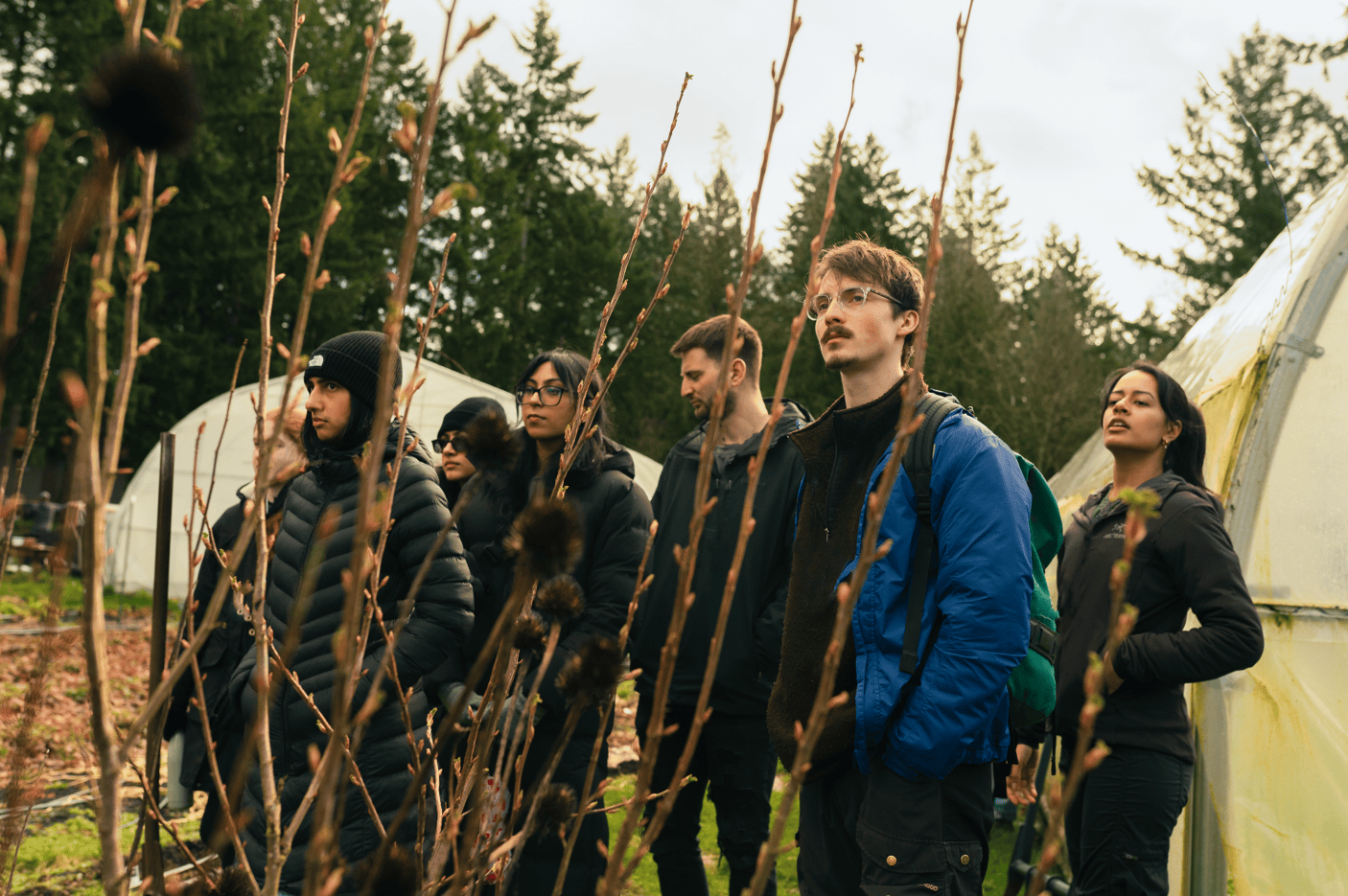
The Rise Up! Program engaged youth, ages 15-30, in their local food system. In partnership with Farm to School BC, Community Garden Roots the BC Coalition for Healthy School Food, Rise Up! created and supported meaningful service placements and educational opportunities across the province.
Throughout the program, youth engaged in locally driven food systems activities and events to foster stronger connections with their peers, the broader community, and the land.




Community garden policy and governance (2019)
Community Garden Policy and Practice Audit

Conducted with the aim of strengthening community garden policies and practices in Surrey, this audit set out to deepen the City of Surrey’s support for both new and existing community gardens. Developed collaboratively with an advisory committee comprising key community organizations and the City of Surrey, a comprehensive survey was crafted.
The survey explored the perspectives and experiences of both gardeners and garden coordinators, examining and exploring factors such as socio-economic demographics, participation le

Granting (2021)
School Farm Support


A collaborative grant between Farm to School BC and Can You Dig It. This grant is for school districts or independent school boards that want to establish their first school farm.
A school farm is a piece of school district or independent school land (5,000 square feet minimum) that has either a farm business or a non-profit growing food for students and the broader community. The benefits of this farm are that students receive food literacy education from a professional farmer who teaches them how to grow their food.
The food can then be used in school meals and other school programs. It can also be shared and/or sold to parents and community members. There are many different models of how this could look.